Quran learning helps children develop strong Islamic values, improve Quran recitation, build discipline, strengthen memory, and establish a lifelong connection with their faith. Beyond reading and memorization, Quran education supports character development, spiritual growth, and positive learning habits that can benefit children throughout their lives.
Every Muslim parent wants their child to grow up with strong faith, good character, and a meaningful connection to Islam. One of the most effective ways to nurture these qualities is through Quran learning from an early age.
While many parents initially focus on teaching children how to read the Quran, the benefits extend far beyond recitation. Quran learning can influence a child’s spiritual development, daily habits, character, and relationship with Islamic values for years to come.
- Why Quran Learning Is Important for Children
- 1. Builds a Strong Connection With the Quran
- 2. Strengthens Islamic Identity
- 3. Encourages Good Character and Manners
- 4. Supports Memory Development
- 5. Develops Discipline and Consistency
- 6. Improves Quran Reading and Recitation Skills
- 7. Helps Children Learn Tajweed Correctly
- 8. Encourages Positive Emotional Development
- 9. Creates a Strong Foundation for Hifz
- 10. Helps Children Understand Islamic Values
- 11. Strengthens Family Involvement in Islamic Education
- 12. Establishes Lifelong Learning Habits
- How Parents Can Maximize the Benefits of Quran Learning
- Online Quran Learning for Kids
- Choosing the Right Quran Teacher for Your Child
- Conclusion
- Frequently Asked Questions
Why Quran Learning Is Important for Children
The Quran is the primary source of guidance for Muslims.
When children begin learning the Quran early, they gradually become familiar with:
- Islamic values
- Worship practices
- Good manners
- Quranic teachings
- Daily supplications
- Moral responsibility
Quran education helps children build a foundation that supports both their religious and personal development.
The Quran encourages reflection, learning, and understanding. Families can explore translations, recitations, and study resources through Quran.com.
1. Builds a Strong Connection With the Quran
One of the greatest benefits of Quran learning is helping children develop a personal relationship with the Quran.
Children who regularly engage with the Quran often become more comfortable with:
- Reading Quranic verses
- Listening to recitation
- Memorizing Surahs
- Understanding Islamic teachings
This familiarity can make Quran learning a natural part of daily life rather than an occasional activity.
Over time, many children develop a genuine appreciation for the Quran that continues into adulthood.
2. Strengthens Islamic Identity
Children growing up in non-Muslim majority countries often face many influences from school, media, and society.
Quran education helps reinforce:
- Islamic beliefs
- Muslim identity
- Religious values
- Sense of belonging
For Muslim families in the USA, UK, Canada, Germany, New Zealand, and across Europe, Quran learning can play an important role in helping children stay connected to their faith and heritage.
3. Encourages Good Character and Manners
The Quran teaches honesty, kindness, patience, gratitude, respect, and compassion.
When children learn Quranic teachings consistently, they are exposed to values that encourage:
- Respect for parents
- Truthfulness
- Responsibility
- Self-control
- Empathy for others
Islamic education is not only about acquiring knowledge but also about developing character.
Many parents notice positive behavioral changes when Quran learning becomes a regular part of their child’s routine.
4. Supports Memory Development
Memorization is an important component of Quran learning.
Several studies examining Quran memorization have found associations with cognitive development, memory skills, self-control, and social-emotional growth in children. Researchers have also reported positive effects on focus, persistence, and learning habits when Quran memorization is taught appropriately for a child’s age and ability.
Children who regularly memorize Quranic verses often practice:
- Repetition
- Concentration
- Recall
- Listening skills
These habits may support broader learning skills that benefit children in other educational settings as well.
5. Develops Discipline and Consistency
Successful Quran learning requires regular practice.
Children gradually learn the importance of:
- Following routines
- Completing assignments
- Reviewing lessons
- Staying committed to goals
These habits can help children develop self-discipline that extends beyond Quran study.
Whether learning Noorani Qaida, Tajweed, or Hifz, consistent effort is often one of the most valuable lessons students learn.
6. Improves Quran Reading and Recitation Skills
A structured Quran education program helps children develop:
- Correct pronunciation
- Arabic reading skills
- Fluency
- Tajweed application
- Recitation confidence
Students who begin with strong foundations generally find advanced Quran learning easier later.
Many children start through a structured Nazara Quran Course that gradually develops reading accuracy and confidence.
7. Helps Children Learn Tajweed Correctly
Learning Tajweed at a young age helps children establish proper recitation habits from the beginning.
Benefits include:
- Correct pronunciation
- Better articulation
- Improved fluency
- Greater confidence when reciting
Children who learn Tajweed early often avoid mistakes that become more difficult to correct later.
Parents seeking qualified instruction may find a Female Quran Teacher for Kids particularly helpful for providing patient and personalized guidance.
8. Encourages Positive Emotional Development
Research exploring Quran memorization and Quran learning activities has reported positive emotional responses among children, including feelings of motivation, engagement, and enthusiasm during learning activities.
Children often benefit from:
- Encouragement
- Achievement milestones
- Positive reinforcement
- Structured goals
When Quran education is presented in a supportive environment, it can become a source of confidence and personal growth.
9. Creates a Strong Foundation for Hifz
Children are often highly receptive to memorization during their early years.
For this reason, many parents introduce:
- Short Surahs
- Daily duas
- Selected verses
- Gradual memorization goals
Research and educational experience suggest that early childhood can be a favorable period for memorization due to children’s strong capacity for learning and retention.
Students who wish to pursue long-term memorization goals may later enroll in a structured Hifz Ul Quran Course.
10. Helps Children Understand Islamic Values
Quran learning is not limited to recitation.
Children also learn:
- Gratitude
- Patience
- Honesty
- Respect
- Responsibility
As they grow older, understanding these values helps them apply Quranic teachings in everyday situations.
Families seeking deeper Quranic understanding may benefit from a structured Dars-e-Quran Course.
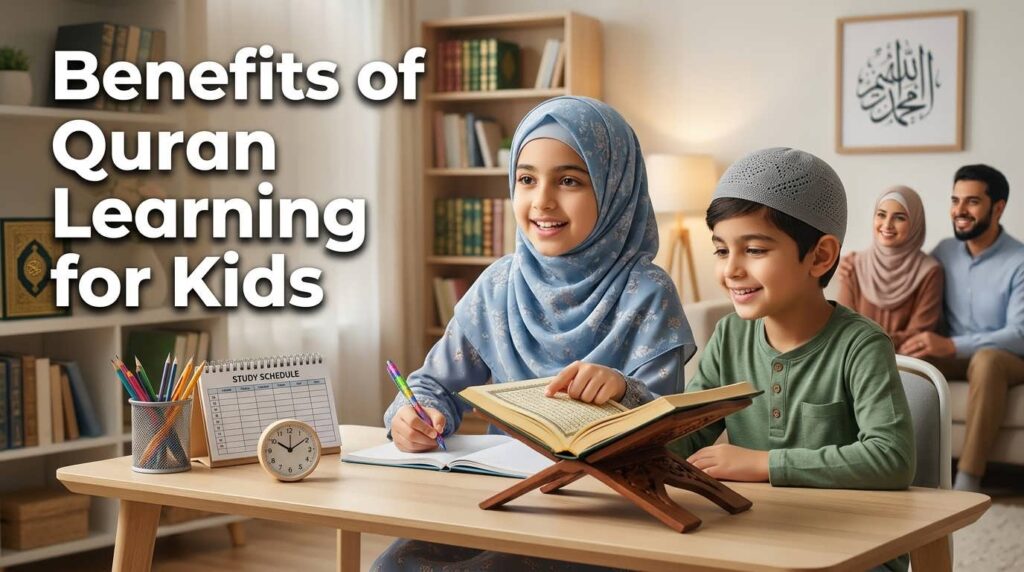
11. Strengthens Family Involvement in Islamic Education
When children learn the Quran, parents often become more involved in their Islamic education.
Families may:
- Review lessons together
- Listen to recitation
- Practice memorization
- Discuss Quranic lessons
This shared learning experience can strengthen family bonds and create meaningful opportunities for Islamic growth at home.
12. Establishes Lifelong Learning Habits
One of the most overlooked benefits of Quran learning is the development of lifelong learning habits.
Children learn:
- Patience
- Consistency
- Goal setting
- Time management
- Personal responsibility
These qualities can support success in many areas of life, not just Quran education.
How Parents Can Maximize the Benefits of Quran Learning
Parents play a critical role in helping children succeed.
Practical strategies include:
- Maintaining a consistent schedule
- Celebrating small achievements
- Avoiding excessive pressure
- Encouraging daily revision
- Choosing qualified teachers
- Staying involved in the learning process
Many experienced parents also emphasize the importance of teaching the meaning of verses alongside memorization to help children develop a deeper connection with what they learn.
Online Quran Learning for Kids
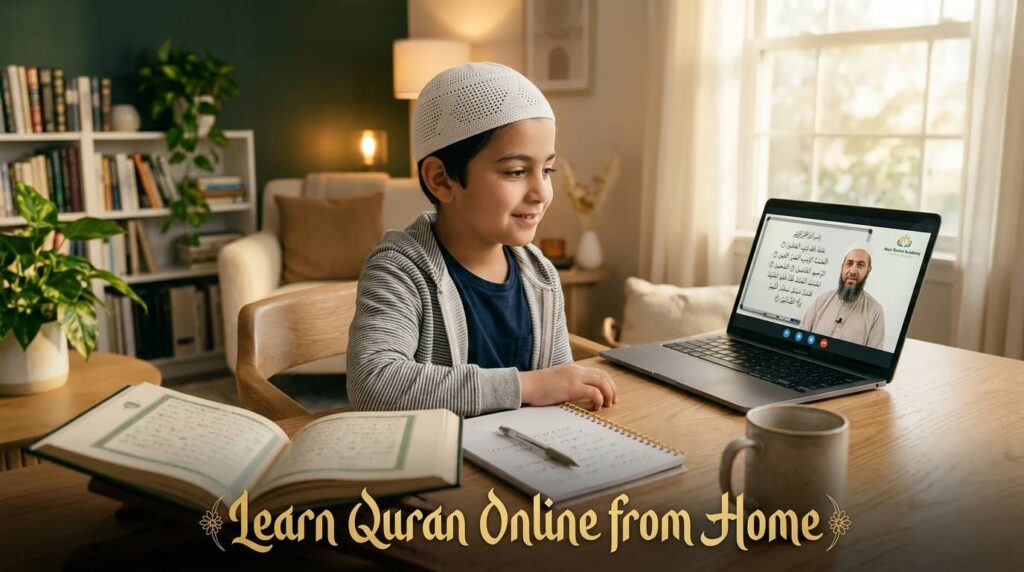
Modern technology has made Quran education more accessible than ever.
Online Quran classes allow children to:
- Learn from home
- Access qualified teachers
- Receive personalized instruction
- Follow structured curricula
Many families choose online learning because it offers flexibility and individualized attention.
If you’re new to virtual learning, our guides on How Online Quran Classes Work and Are Online Quran Classes Effective? can help you understand what to expect.
Choosing the Right Quran Teacher for Your Child
A qualified teacher can significantly improve the learning experience.
Parents should look for:
- Quranic knowledge
- Tajweed expertise
- Experience teaching children
- Patience
- Strong communication skills
If you’re evaluating instructors, our guide on How to Choose a Female Quran Teacher provides practical advice for selecting the right teacher.
Families interested in starting lessons can begin with a free Trial Class to assess teaching quality and student compatibility.
You can also learn more about the academy through the About Us page or discuss your child’s educational goals through the Contact Us page.
Conclusion
The benefits of Quran learning for kids extend far beyond reading and memorization. Quran education helps children strengthen their Islamic identity, develop good character, improve recitation skills, build discipline, and establish a lifelong connection with the Quran.
When supported by qualified teachers, parental involvement, and consistent practice, Quran learning can become one of the most valuable investments a family makes in a child’s spiritual and personal development.
Frequently Asked Questions
What are the main benefits of Quran learning for kids?
Quran learning helps children strengthen their faith, improve recitation skills, develop good character, build discipline, and establish a lifelong relationship with the Quran.
Does Quran memorization help children develop memory skills?
Some educational and developmental research has found positive associations between Quran memorization and memory, concentration, self-control, and social-emotional development in children.
At what age should children start learning the Quran?
Many children begin between the ages of 4 and 7, although readiness depends on the child’s attention span, interest, and developmental stage.
Is Quran learning only about memorization?
No. Quran learning also includes recitation, Tajweed, understanding meanings, Islamic values, and character development.
Can online Quran classes be effective for children?
Yes. With qualified teachers, structured lessons, and parental support, online Quran classes can be highly effective for young learners.
How can parents encourage children to learn the Quran?
Parents can create consistent routines, celebrate progress, provide encouragement, and remain actively involved in the learning process.
Why is Tajweed important for children?
Tajweed helps children develop correct pronunciation and proper recitation habits from an early stage of learning.
How do I choose the right Quran teacher for my child?
Look for strong Quranic knowledge, experience teaching children, effective communication skills, patience, and a structured educational approach.